
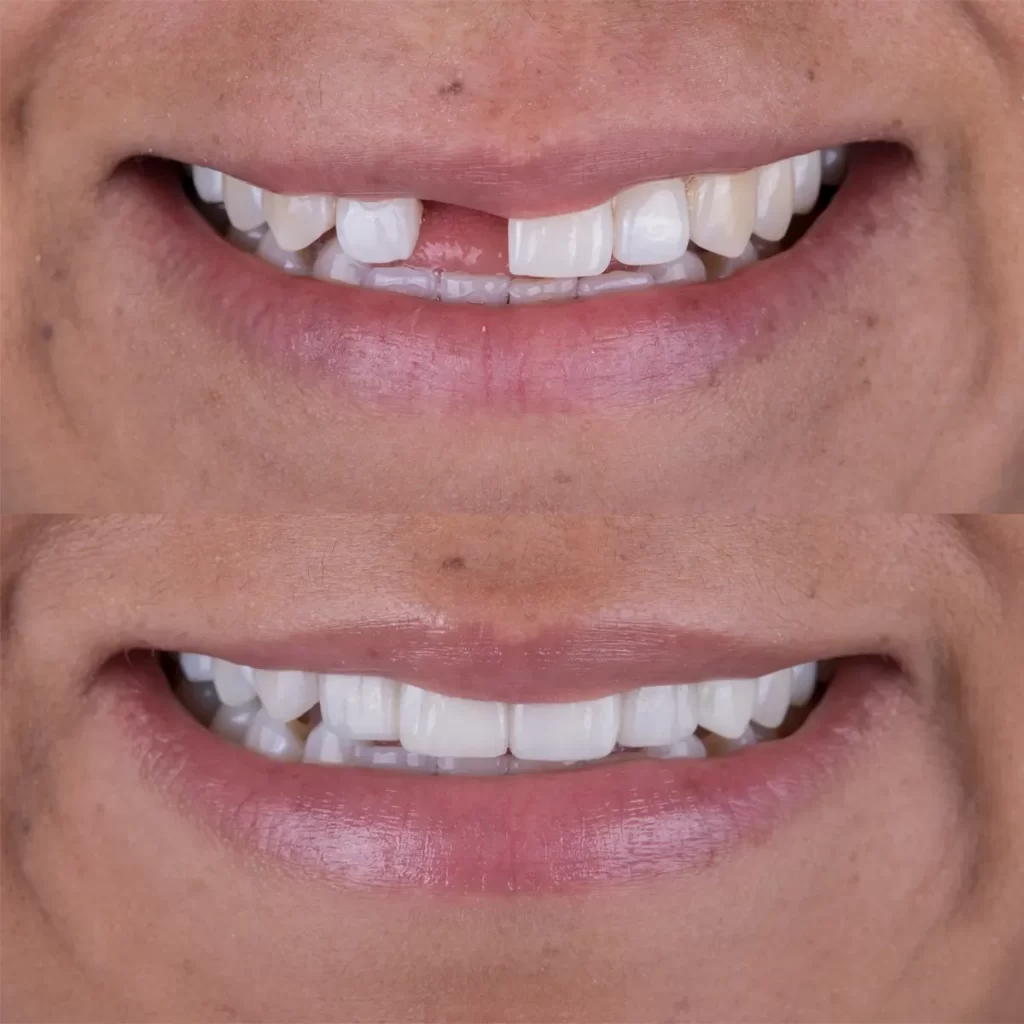
Losing a tooth is quite an unpleasant experience due to the consequences it entails in the daily life of the patient, but fortunately today this can be remedied thanks to technological advances in the field of dentistry that offer alternatives such as dental implants, each time more accessible way for everyone.
Here we tell you what you should know about how a dental implant is done
The planning:
- All cases of implants are different and by analyzing the patient's conditions we find the real scenario on which to plan the step by step.
- The patient's medical history is evaluated to identify diseases that he has, has suffered and that may affect or prevent treatment.
- This clinical evaluation also involves a buccal impression and x-rays in order to establish the position and type of dental implant to be used.
- The state of the bone and gums is evaluated and sometimes tissue intervention must be done before the implant, such as bone grafts.
- When bone conditions are found to be less than ideal to support the new tooth, a bone graft or sinus lift must be placed. In this case, the waiting time before placing the implant is between 4 to 12 months.
- The type of sedation for the patient is established.
dental implant
- It consists of making an incision in the gum to expose the bone. Then the necessary space is opened to place the dental implant.
- When in place the gum is used to cover the implant and sutured.
- Between 3 and 6 months must pass for the expected result, that the tissues heal completely and a correct union between the bone and the implant occurs.
Uncovering of the implant and placement of the healing abutment
- After the specified time has elapsed, another incision is made to expose the implant and a special attachment called a healing abutment is placed. This helps the gum heal properly to place the crown.
Placement of the final abutment and provisional crown
- After a few weeks of healing, the healing abutment is replaced by a definitive abutment, which is screwed to the implant and a provisional crown is placed on it.
- Sometimes the Dentist decides to place the healing abutment or even an implant system where the provisional crown is placed the same day of surgery.
- Finally, an impression is taken that is sent to the laboratory to make the final prosthesis.
Placement of the final crown
- Once ready, the provisional crown is replaced by the final one and the care that must be taken and basic tips for maintaining dental implants are explained.
To consider:
- Healing processes are key in these dental implant treatments. As we know, they are natural processes that occur in the body, therefore they cannot be accelerated in any way, but it is precisely what allows us to guarantee the durability of the treatment.
- Therefore dental implant treatments require patience and a lot of dedication.
Dental implant care: once the treatment is finished, you will want it to last a long time. A well-done procedure can last up to 25 years, following some recommendations:
- Reduce smoking.
- Maintain proper oral hygiene
- Carry out regular check-ups with the dentist.
- Improve lifestyle.
Dental implants offer a natural look and give the patient a feeling of firmness. They allow eating easily and comfortably as we do with natural teeth.
The results of a dental implant are worth all the effort because the best reward is a healthy and complete smile.
Cómo se hace un implante dental: proceso, beneficios y recuperación
Un dental implant es un dispositivo de titanio biocompatible que se coloca en el hueso de la mandíbula o maxilar para reemplazar la raíz de un diente perdido y servir como base estable para una corona, puente o prótesis. Este procedimiento implica una serie de pasos clínicos precisos: evaluación diagnóstica con radiografías o tomografía 3D para medir la calidad del hueso, colocación del implante mediante cirugía mínimamente invasiva, un período de osteointegración en el que el hueso se fusiona con el implante y, finalmente, la colocación de la prótesis dental definitiva. Gracias a la biocompatibilidad del titanio y los avances tecnológicos en cirugía guiada digitalmente, los implantes dentales ofrecen una solución segura, funcional y estéticamente natural para recuperar dientes faltantes, proteger la salud ósea y mejorar la calidad de vida del paciente.
❓ Preguntas frecuentes sobre implantes dentales
what is a dental implant?
Un implante dental es un tornillo de titanio biocompatible que se coloca en el hueso maxilar o mandibular para reemplazar la raíz de un diente perdido y servir como base para coronas, puentes o prótesis dentales.
¿Duele colocarse un implante dental?
El procedimiento se realiza con anestesia local, por lo que no genera dolor durante la intervención. Posteriormente puede presentarse una leve molestia o inflamación, que suele desaparecer en pocos días siguiendo las indicaciones del odontólogo.
¿Cuánto dura la recuperación después de un implante dental?
La recuperación inicial suele durar entre 7 y 14 días. La integración completa del implante con el hueso, llamada osteointegración, puede tardar entre 3 y 6 meses antes de colocar la prótesis definitiva.
¿Quiénes son candidatos ideales para un implante dental?
Personas con buena salud general, hueso suficiente en el área del implante y encías sanas son candidatos ideales. Cada paciente debe ser evaluado individualmente por un odontólogo especialista en implantología.
¿Qué cuidados requieren los implantes dentales?
Se recomienda mantener una higiene oral estricta, cepillado y uso de seda dental diariamente, acudir a controles periódicos con el odontólogo y evitar hábitos que puedan dañar el implante, como morder objetos duros.
¿Los implantes dentales son permanentes?
Sí. Los implantes de titanio bien cuidados pueden durar toda la vida. La prótesis colocada sobre el implante puede requerir mantenimiento o reemplazo después de varios años, dependiendo del material y uso.
